
|
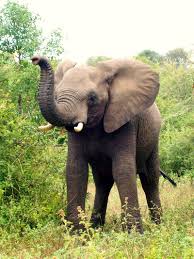
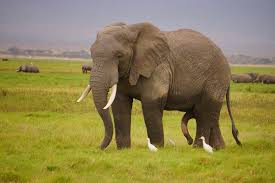
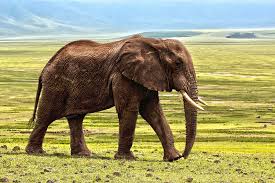
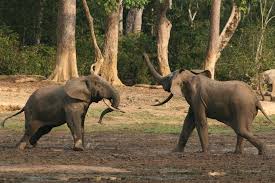
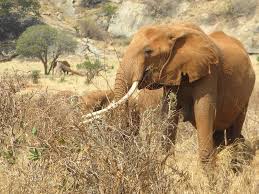
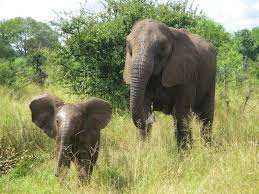
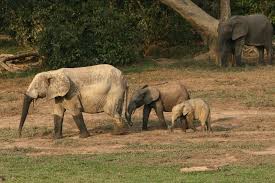
The African bush elephant’s natural habitat stretches across 23 African countries, ranging from open savannas and dense forests to arid deserts. These environments provide the grasses, fruits, bark, and roots that sustain them, as well as vital watering holes where elephants drink, bathe, and cool off. Seasonal migrations often lead herds to follow rainfall patterns, ensuring access to food and water. Their adaptability to such diverse landscapes highlights both their resilience and the importance of protecting these habitats from poaching and human-driven land loss.
The Digital Zoo educates visitors about elephant conservation, simulates natural habitats, and supports fictional initiatives like “Elephant Horizons” to raise awareness and promote protection.
Once grouped with all African elephants, bush elephants were recognized as a distinct species in the early 2000s due to genetic and physical differences.
As ecosystem engineers, bush elephants shape landscapes, create water access, and help disperse seeds, supporting biodiversity.
Public Domain Pictures (Images were in the public domain)
Rawpixel (Images were in the public domain)
Public Domian Files (Images were in the public domain)
** Some text on this page is generated by Artificial Intelligence **
African Bush Elephant - Wikepedia
African Savana Elephants - World Wildlife Fund
African savana elephant - National Geographic
African bush elephant | Size, Habitat, & Facts - Britanica