
|
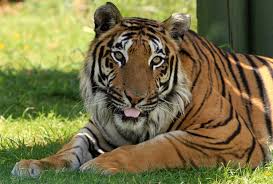
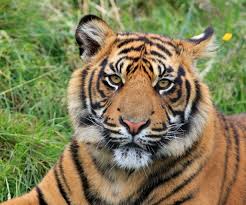
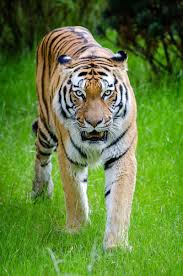
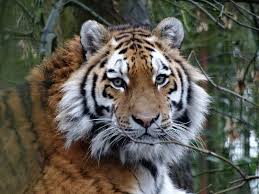
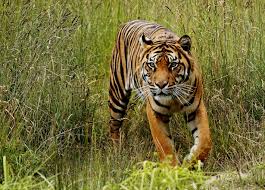
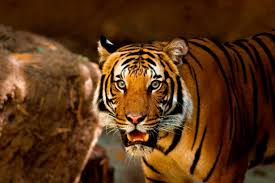
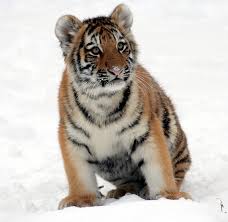
Tigers are remarkably adaptable, living in environments ranging from the icy Siberian taiga (−40 °C winters) to the sweltering mangrove swamps of the Sundarbans (over 40 °C summers). They thrive in grasslands, mixed forests, and areas with abundant prey and water. Unlike most big cats, tigers are strong swimmers and often bathe to cool off.
As apex predators, tigers regulate prey populations and maintain ecological balance. Protecting tigers means protecting entire ecosystems, from deer and wild boar to the forests and grasslands they inhabit.
At the Digital Zoo, we are committed to safeguarding the future of tigers:
In the wild, tigers have been revered for millennia. They appear in Hindu mythology as the vehicle of the goddess Durga, in Chinese astrology as a symbol of luck and power, and in ancient Indus seals as a mark of prestige.
In zoos, tigers became part of conservation programs in the 20th century. The Digital Zoo traces its tiger lineage back to a pair of Bengal tigers donated by a sanctuary in India during the 1980s. Since then, our zoo has raised multiple generations, contributing to awareness campaigns and collaborative research with other institutions.
Public Domain Pictures (Images were in the public domain)
Rawpixel (Images were in the public domain)
** Some text on this page is generated by Artificial Intelligence **
Tiger - Wikepedia
Tiger - World Wildlife Fund
Tiger - National Geographic Kids
Tigers - Britanica